2024
Emergency Dispatcher AI Chatbot
Emergency AI Chatbot is a human-centered decision-support system designed to assist emergency dispatch centers and hospital emergency departments in triaging incoming cases efficiently and responsibly. The system supports patients and dispatchers during high-pressure situations by collecting, structuring, and interpreting information in real time, while ensuring that critical cases are escalated to human professionals without delay.The project integrates applied research methods, human–AI collaboration principles, and data-driven modeling to reduce emergency response overload, improve prioritization accuracy, and enhance accessibility for distressed users.
Problem Framing and Context:
Emergency dispatch centers and ER support teams face increasing call volumes, inconsistent information quality, and limited capacity to prioritize cases effectively under time pressure. This results in delayed responses for critical cases and inefficient use of human resources.Nonprofit, Culture, Community
Objective:
Design and validate an AI-enabled triage support system that:The space's website needs to be redesigned to showcase a personality that space and their people have, including building a quick glance the space's variety of activities and its past events chronologically.
Primary stakeholders:
Emergency dispatchers, Emergency Medical Technicians (EMTs), and Patients in distress



Key Insights
The system must function as decision support, not automation, and integrate seamlessly into existing workflows rather than replacing them.
AI role definition
- Structured intake of symptoms and contextual data
- Real-time summarization for dispatcher situational awareness
- Decision-support recommendations aligned with triage protocols
Human–AI interaction strategy
Human-in-the-loop: escalation for urgent and ambiguous casesAdaptive Human-AI Interaction: Adjustable interaction depth based on urgency
AI Limitation: Transparent system boundaries and limitations
Data considerations
- Minimal data collection aligned with privacy-by-design principles
- Combination of structured inputs and natural language data
- No long-term storage of unnecessary personal data
Analytical components
- Symptom-based urgency classification logic
- Natural language processing for extracting relevant signals
- Rule-based safeguards to prevent inappropriate AI autonomy


Prototyping and Validation
Prototypes developed:
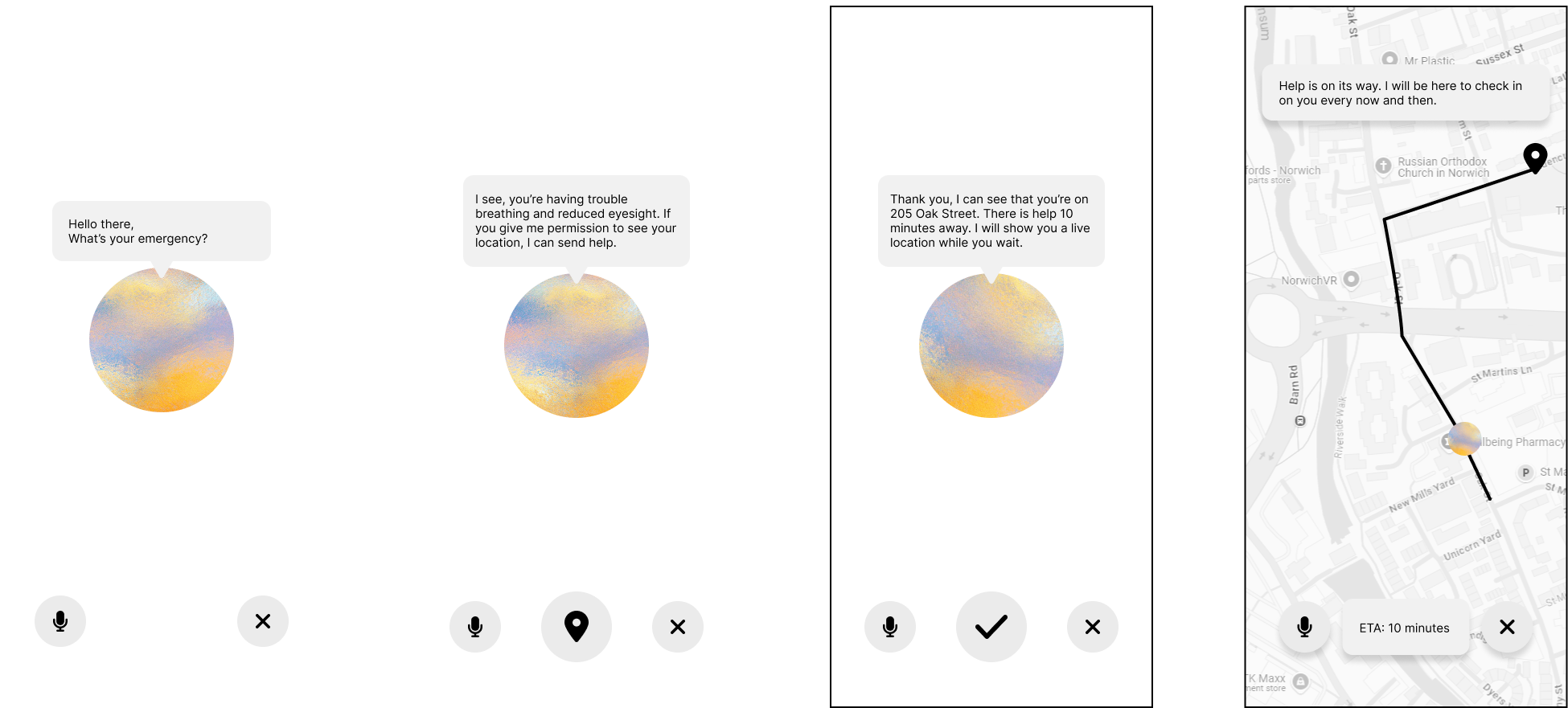
- Dispatcher-facing chatbot for intake and guidance.
- Patient-facing chatbot for intake and guidance
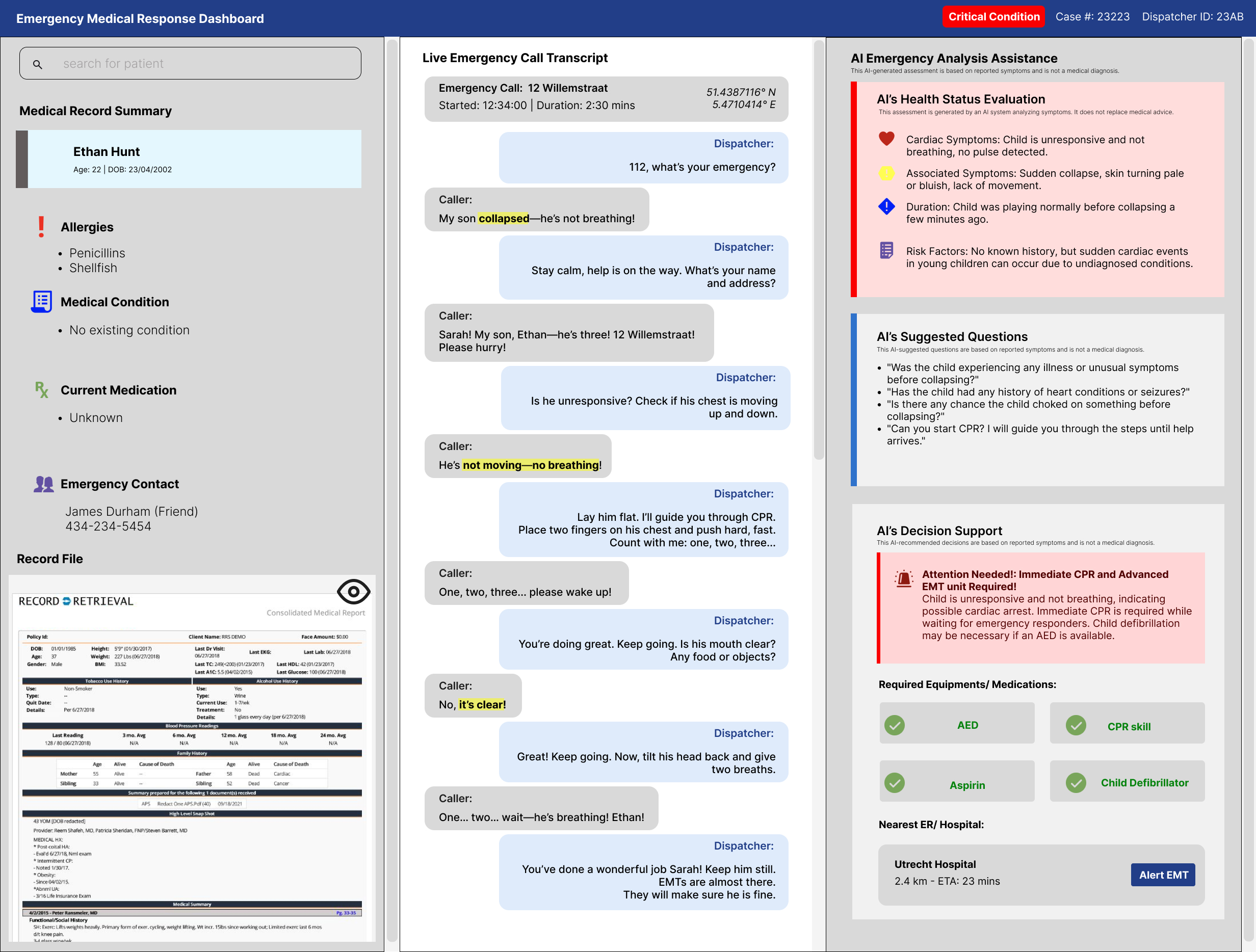
- Live voice transcription capturing caller input in real time, enabling accessible and hands-free interaction during emergency situations.
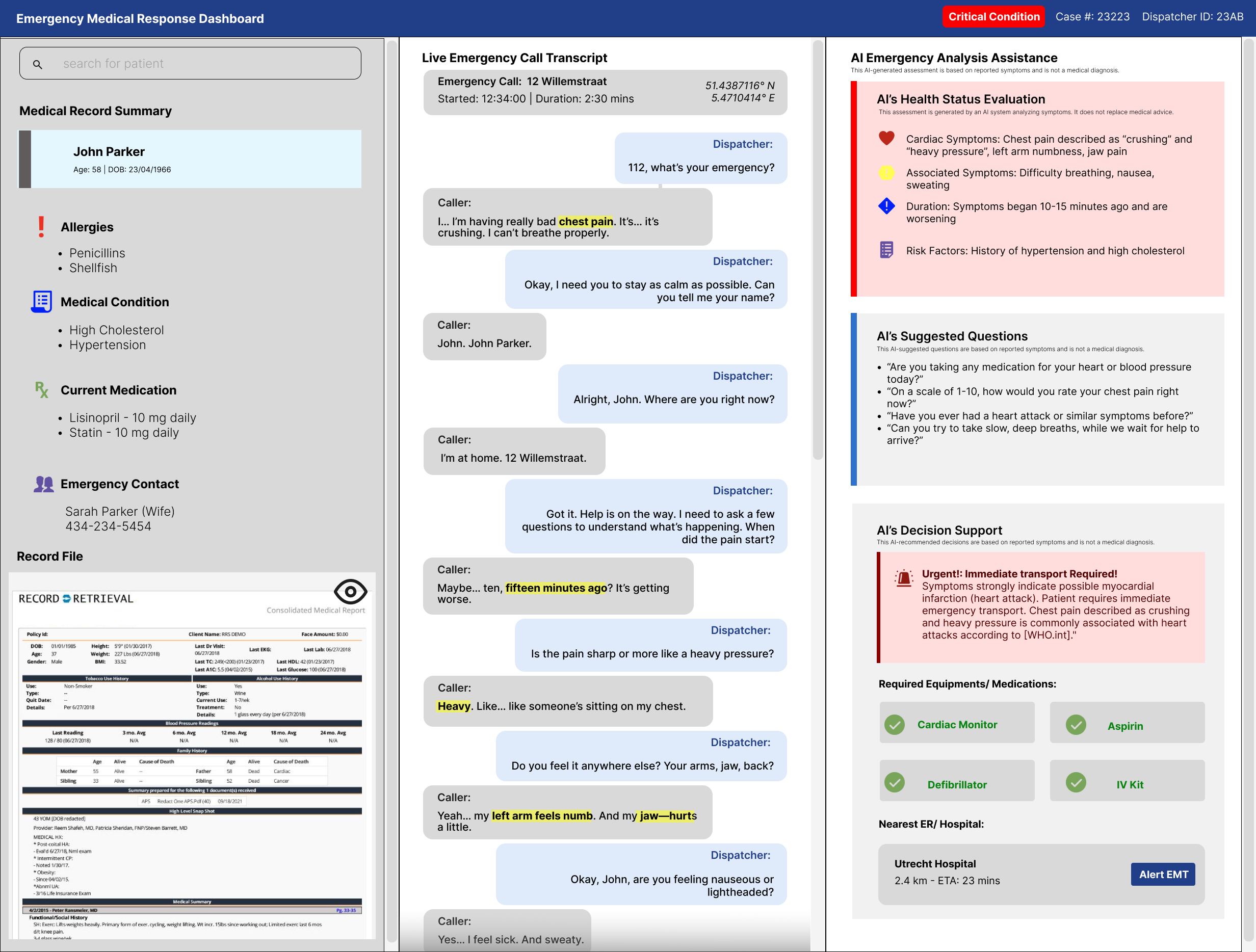
- Dispatcher dashboard with AI-generated summaries and suggestions
System Evaluation
- Clarity of information captured
- Impact on dispatcher cognitive load
- Trust, perceived control, and system transparency
Takeaway:
- AI supports, not replaces, human decision-making in high-stakes emergency contexts.
- Clear human–AI role definition is critical for trust, safety, and adoption.
- Combining symptoms with situational context improves relevance and reliability of guidance.
- Applied research and iterative testing are essential for real-world deployment.
- Privacy, ethics, and accessibility must be embedded from the outset.

archival project
2017-2020
2024
Wastenot: A Research-Driven Approach to Reducing Household Food Waste
WasteNot is a concept mobile application designed to reduce consumer food waste by connecting users with surplus and imperfect local food. The project addresses behavioral, informational, and trust-related barriers that prevent consumers from engaging with surplus food, particularly among young, budget-conscious users. This case study focuses on how research-driven, human-centered design and AI-supported features translate behavioral insights into a usable, trust-building digital experience.
User Insights Informing Behavior-Driven Decisions:
User research revealed that consumer food waste is primarily driven by low awareness, limited trust, and fragmented decision-making during shopping and food storage. Focus groups and cultural probing showed that participants often forgot what they had purchased, were uncertain about expiration dates, and discarded food out of caution rather than actual spoilage, with leftovers and improperly stored items being the most common sources of waste. While sustainability was acknowledged as important, purchasing decisions were largely influenced by price, convenience, and perceived freshness, with discounts acting as a stronger motivator than environmental impact alone. Tracking food waste increased awareness and emotional engagement, indicating that reflective feedback can nudge behavior change. These insights informed design directions that prioritize clarity over persuasion, such as emphasizing transparent pricing and freshness cues, reducing cognitive load through simple navigation and filtering, and using AI-supported prompts to surface timely, relevant information that supports confident, low-effort decisions rather than forcing long-term habit changes



AI Research and Competitor Analysis:
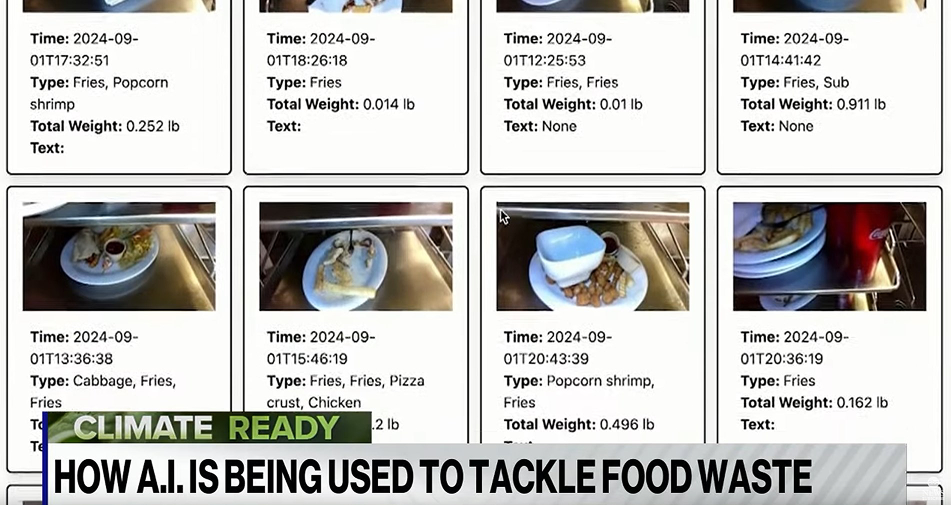
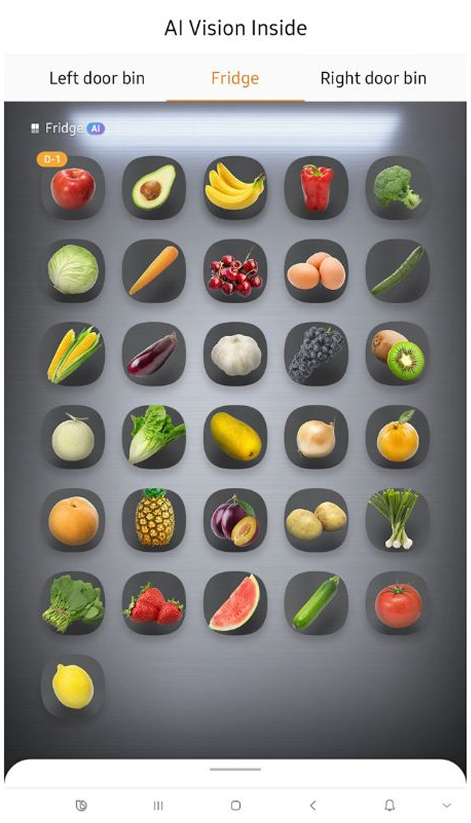
Research into AI technologies addressing food waste highlights how data-driven systems can improve awareness, prediction, and decision-making across the food lifecycle. Examples such as computer vision–based food recognition and smart inventory tracking demonstrate how AI can identify waste patterns, recommend timely actions, and reduce overbuying. Within the competitive landscape, existing apps largely focus on surplus redistribution and price incentives, offering limited behavioral support beyond discounts. By contrast, emerging AI-enabled solutions point toward opportunities for more proactive, user-centered interventions—where AI supports users with timely cues, clearer value signals, and decision assistance rather than automation—positioning WasteNot to differentiate itself through behavior-driven, AI-assisted design rather than marketplace mechanics alone
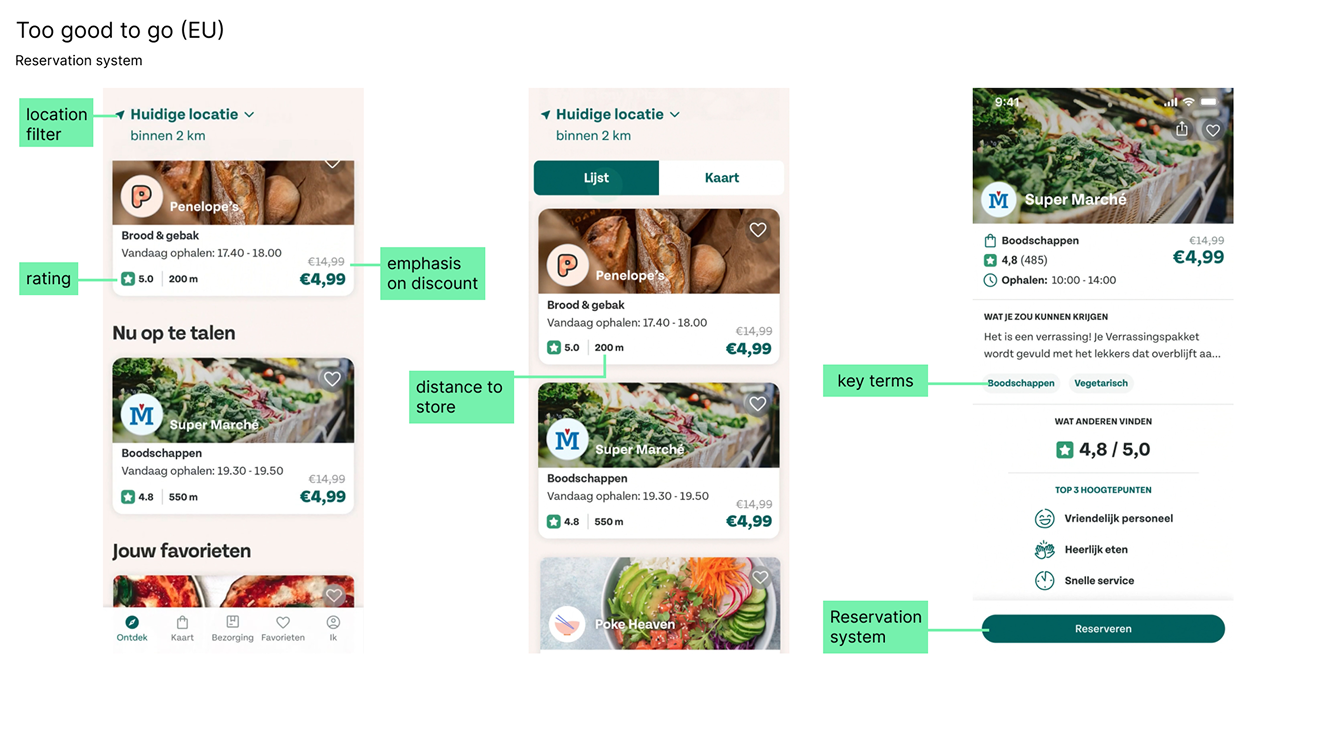
Competitor Analysis
Too Good To Go focuses on redistributing surplus food by connecting consumers with heavily discounted “magic bags” from nearby stores and restaurants. Its strength lies in clear value communication—price, distance, and ratings are immediately visible—making it easy for users to act quickly on deals. However, the experience is primarily transactional, offering limited support for longer-term behavior change or decision-making beyond the moment of purchase.I used the style established in the event proposal to go ahead and draw up the rest of the style cue of this website. It should be noted that this project was on short timeline, thus we needed to move quickly and efficiently, and since we had received some very positive feedbacks on the overall design and concept of the event, we went ahead quickly develop a website in a short time scale.
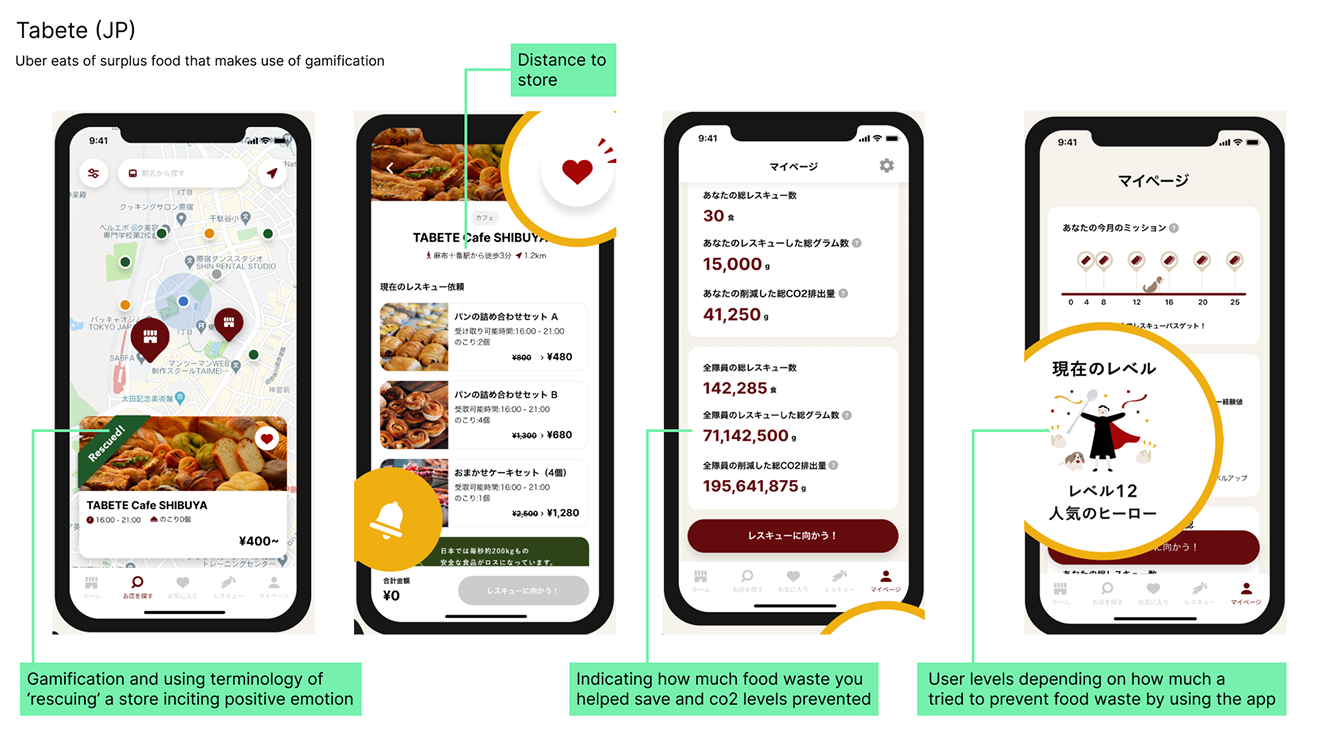
Tabete approaches food waste reduction through gamification, encouraging users to log their behavior and earn progress through levels and rewards. This strategy aims to motivate users emotionally and build awareness over time. While effective for engagement, it relies heavily on sustained user input and motivation, which can limit adoption. In contrast, WasteNot positions itself between these approaches by combining the clarity and immediacy of surplus marketplaces with AI-supported, low-effort interventions that help users make better decisions without requiring ongoing manual tracking.
Prototype
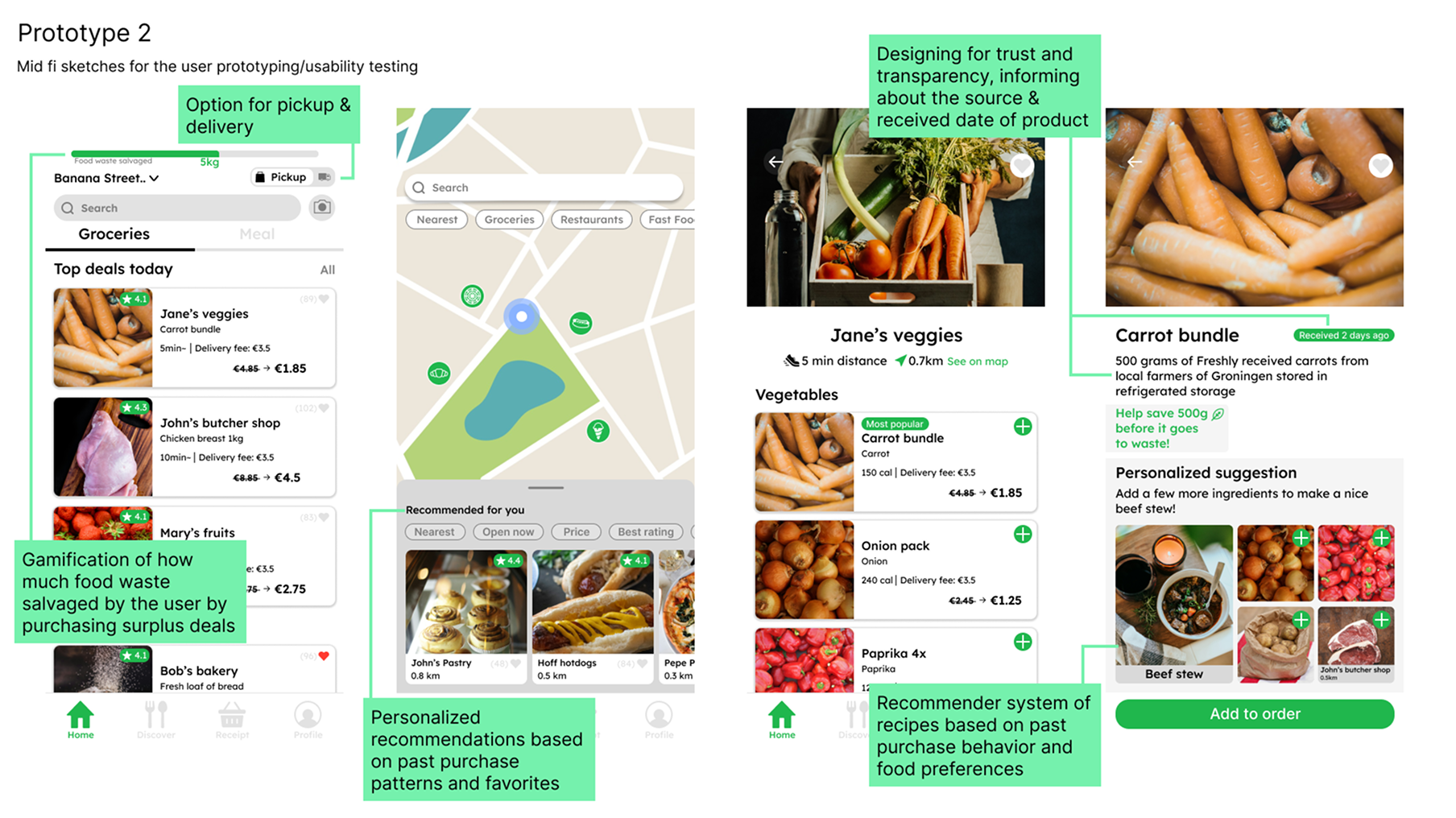
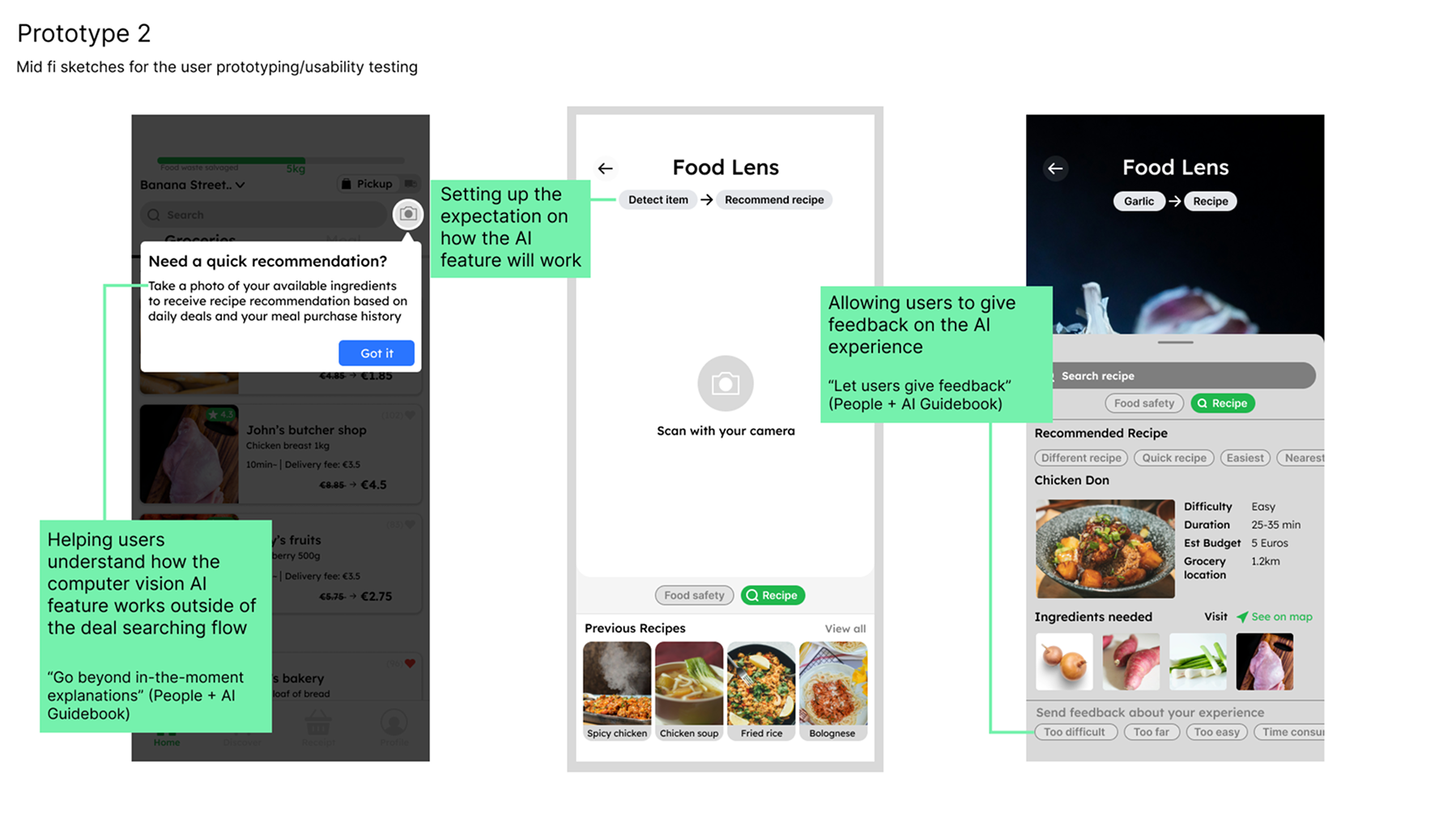
The WasteNot prototype was developed through an iterative process informed by literature research, user insights, co-design sessions, and usability testing. Early wireframes and participant feedback highlighted the importance of fast deal discovery, clear price information, and minimal cognitive load, leading to the prioritization of search, filters, and category-based browsing.
Feedback from cultural probing and usability tests further refined the interface by emphasizing price clarity over abstract freshness indicators and simplifying navigation. These research-driven iterations resulted in a focused set of features that support confident, low-effort decision-making around surplus food while directly addressing the trust and usability barriers identified in earlier research.
Conclusion
This case study demonstrates how in-depth user research can uncover the behavioral, emotional, and contextual factors that drive everyday decisions, and how these insights can meaningfully inform the responsible use of AI in design. Rather than positioning AI as an autonomous decision-maker, the project frames it as a supportive tool that enhances awareness, reduces cognitive effort, and provides timely, relevant information at moments where behavior is most likely to change.Finally we finished the website that includes information about the event, video interview, information about participating galleries and links to their websites. Keep in mind that we only had about one month to work on this project and that we planned to post similar contents on social media. This website serves to further legitimize Secret Art Night event and it's also a way for us to thank our sponsors.
check out the presentation here: http://bit.ly/3ZhhNXE
thesis project
2025
Designing Data Autonomy: A Personal Data Pod Case Study
Today, most digital services collect and use personal data in ways that are largely invisible to users. People often do not know what data is being stored, who has access to it, or how it is reused over time. This lack of clarity makes it difficult for users to feel in control of their own data and contributes to growing distrust in digital platforms. This case study was developed in collaboration with Nederlandse Datakluis, an initiative that aims to change how personal data is handled in the Netherlands. Nederlandse Datakluis introduces the idea of a personal data pod, where individuals store their data themselves and decide when, why, and with whom it is shared. The project explores how design and AI can make this concept understandable and usable in everyday situations, turning data control from an abstract idea into a practical experience.
Video courtesy of Nederlandse Datakluis. All rights belong to the original creators.
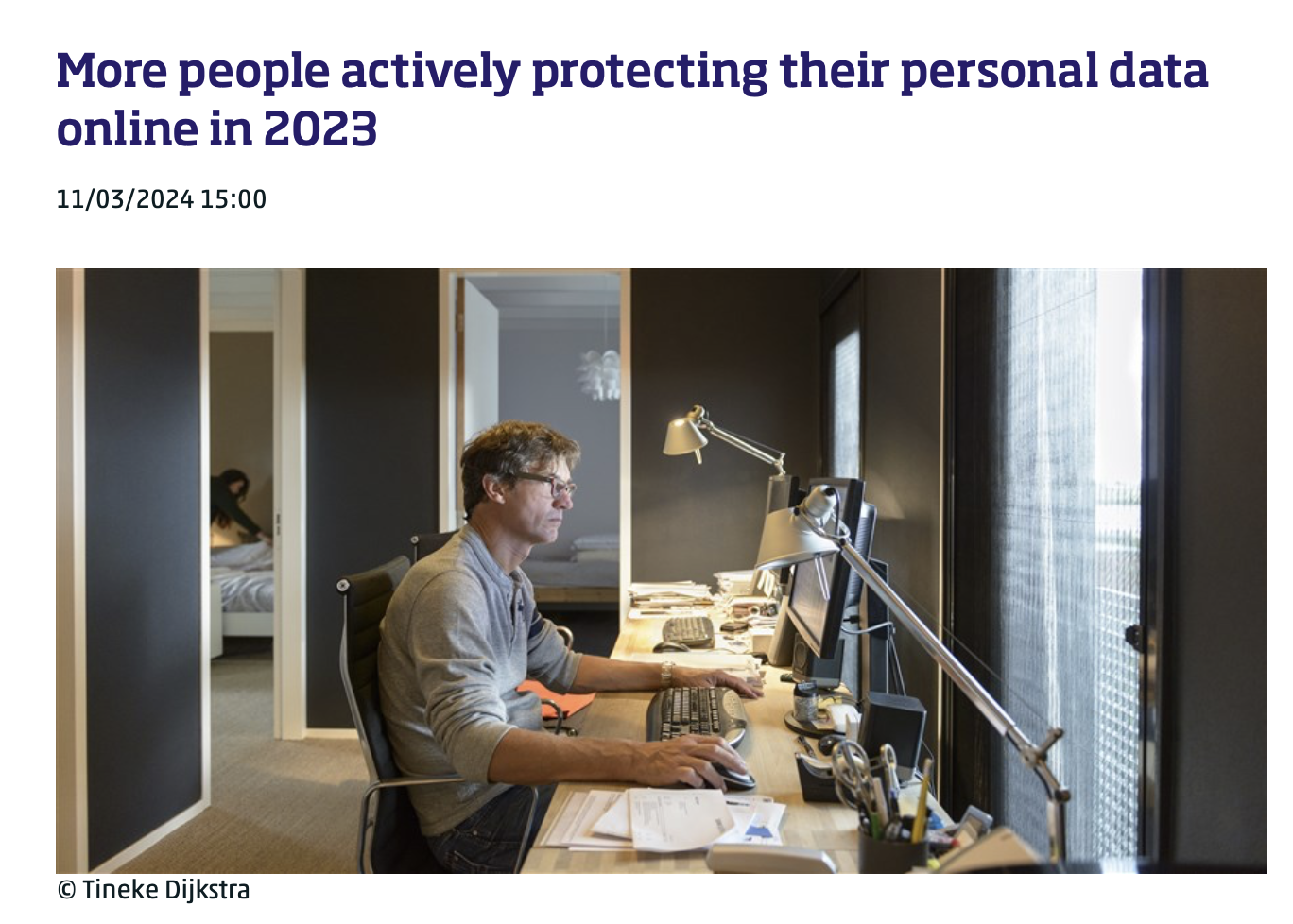
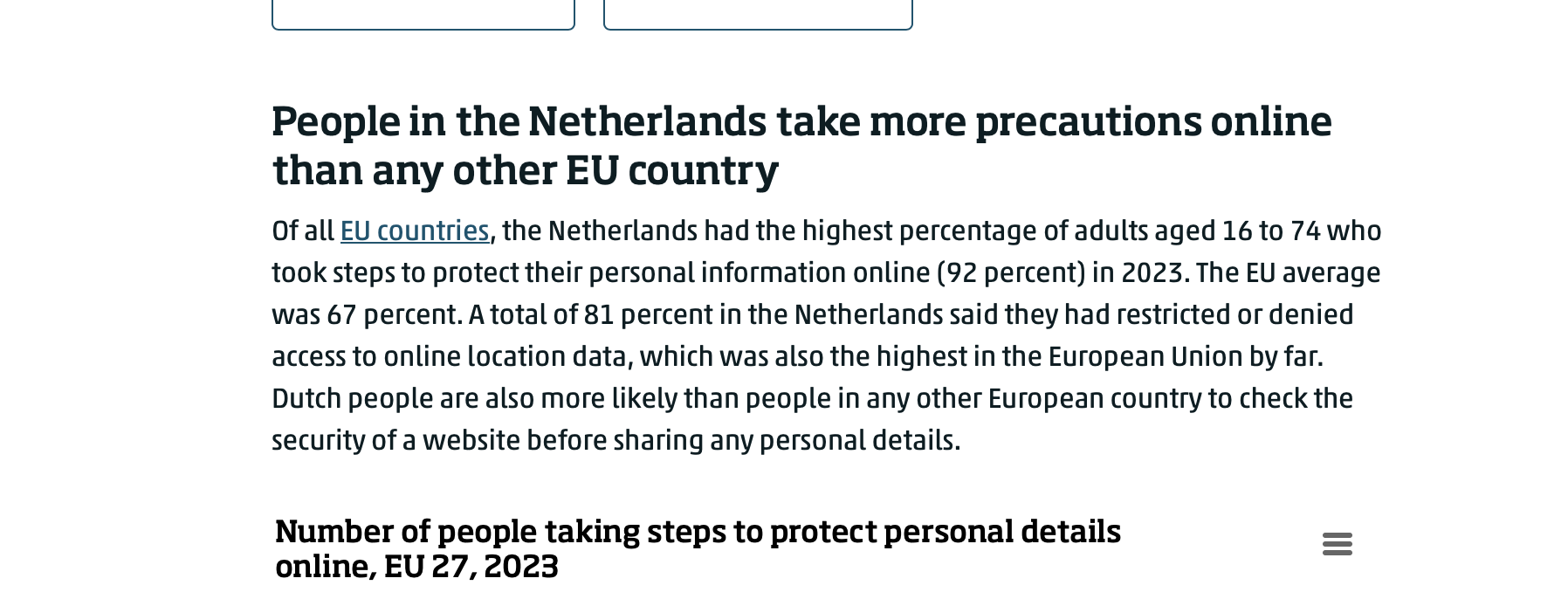
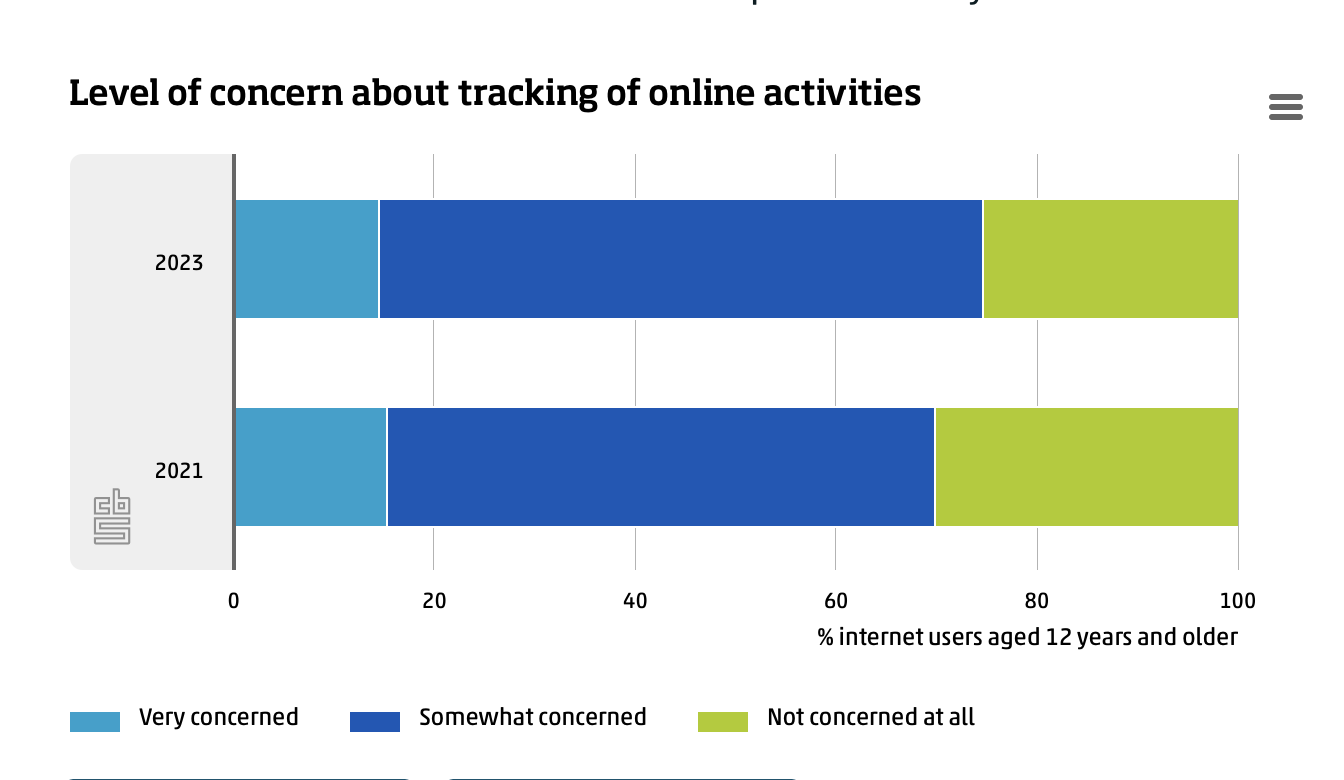
Data autonomy is increasingly discussed as a core digital right, yet in practice it remains difficult for most people to exercise. Faced with complex systems, unclear data flows, and limited real choices, many users gradually give up trying to manage their personal data. This process, often described as digital resignation, reflects a sense that opting out or staying in control is either too time-consuming or simply ineffective. As a result, data sharing becomes a default behavior, and personal data autonomy is traded for convenience and access.
Framing the problem
The core issue is not a lack of regulation, but a gap between formal data rights and everyday user experience. While users are legally entitled to control their data, existing systems make this control hard to understand and even harder to use. Data autonomy is framed as a design challenge: how to make control, consent, and transparency actionable without increasing cognitive or emotional burden. This requires shifting from platform-centered data flows to user-centered models, where data decisions are clear, reversible, and aligned with real user needs.Niche E-commerce site, vegan market, fashion
Insights:
Research insights showed that users are generally willing to share personal data when the purpose and benefit are clear, but feel uncomfortable when data flows are opaque or difficult to understand. Trust was strongly linked to transparency, relevance, and the ability to retain control over decisions after data is shared. Many users lacked a clear mental model of how their data moves between systems, which often led to uncertainty and digital resignation. Overall, the findings indicate that data autonomy depends on clarity and perceived control rather than on restricting data sharing itself.
Prototyping Solutions:
Based on these insights, the prototyping phase focused on turning clarity and control into concrete interactions rather than abstract promises. The design explored how a personal data pod could act as a central place where users can see, manage, and understand their data at a glance. AI was used to support users by explaining data requests in plain language, highlighting consequences of sharing, and making permissions easy to adjust over time. The goal of the prototype solutions was to reduce cognitive effort, counter digital resignation, and make data autonomy feel achievable in everyday use.Elpis Studio is a small fashion brand with a niche market. The website needs to reflect the level details and attentions paid to its core customers. The key is to not do anything to offend their core customers and to identify with their needs. Copywriting is important as much as images and graphics on their websites.
Design Values Guiding the Personal Data Pod:
Transparency
User Cntrol
Practicality
Accessibility
Physical Representation of Personal Data:
Research within this project showed that personal data is often perceived as abstract, distant, and difficult to understand, which makes it harder for users to feel ownership or control. This lack of a clear mental model contributes to uncertainty and digital resignation, as users struggle to grasp where their data is stored and how it is used. A physical representation of personal data helps address this gap by making data tangible and easier to reason about as something that belongs to the individual. By giving data a physical form, similar to how keys, wallets, or passports represent access, identity, and ownership, a data pod device makes personal data easier to understand and reason about. Just as these everyday objects signal control and responsibility, a physical data pod reinforces the idea that data can be stored locally, accessed deliberately, and shared selectively. As a result, the artifact acts both as a cognitive aid and a trust signal, supporting clearer understanding and more intentional data behavior.



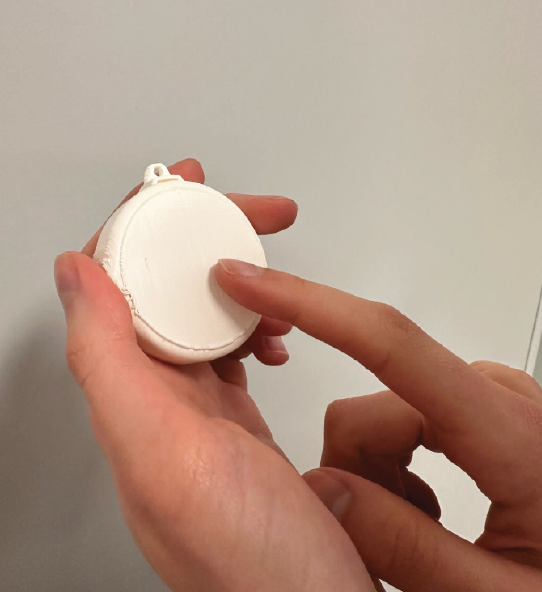
Prototyping Data Pod and Brainstorming Use cases
The prototypes focused on exploring how a personal data pod could work in practice as a user-controlled system rather than a technical abstraction. Within the Nederlandse Datakluis project, multiple prototype forms were developed to test how users understand data ownership, sharing, and control when these concepts are made visible and interactive. These included interface concepts that show what data is stored, who can access it, and for what purpose, as well as AI-supported explanations that translate user data use into clear, human-readable language. The prototypes were used as discussion and testing tools to evaluate whether users felt more confident, informed, and in control of their data.
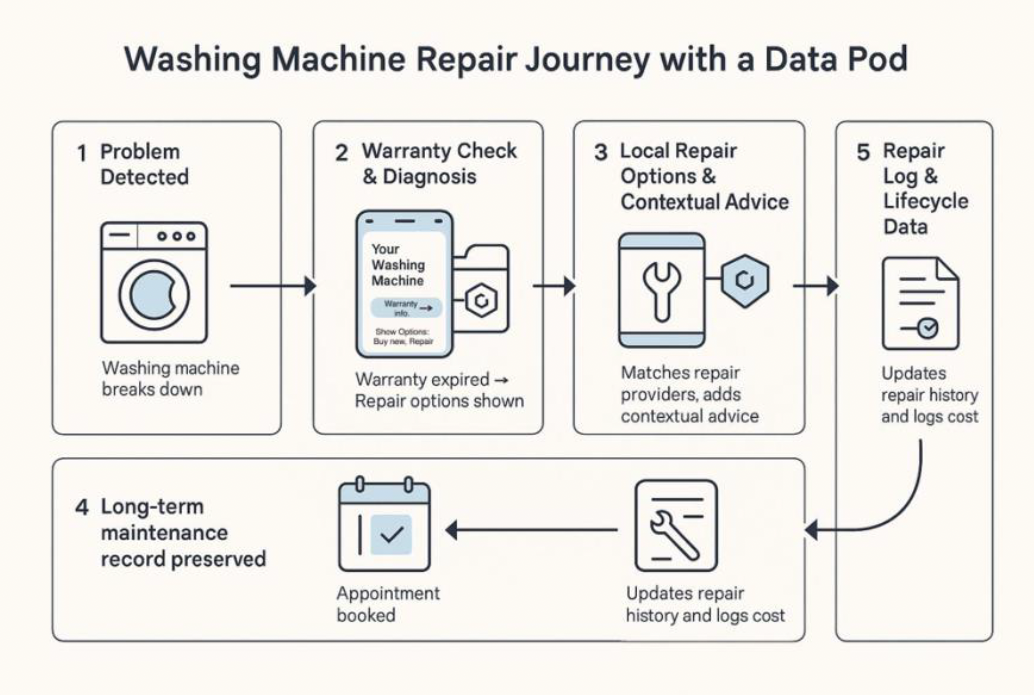
Use Case 1: Product Warranty Storage
A key use case for the physical prototype is storing user-owned product data, such as warranties and repair histories, in one central place. Inspired by the Digital Product Passport framework, this allows users to make more informed decisions about durable products like washing machines or cars. By giving users direct access to product histories, the prototype lowers the barrier to repair and reuse, helping extend product lifecycles and supporting more sustainable, circular consumption practices.
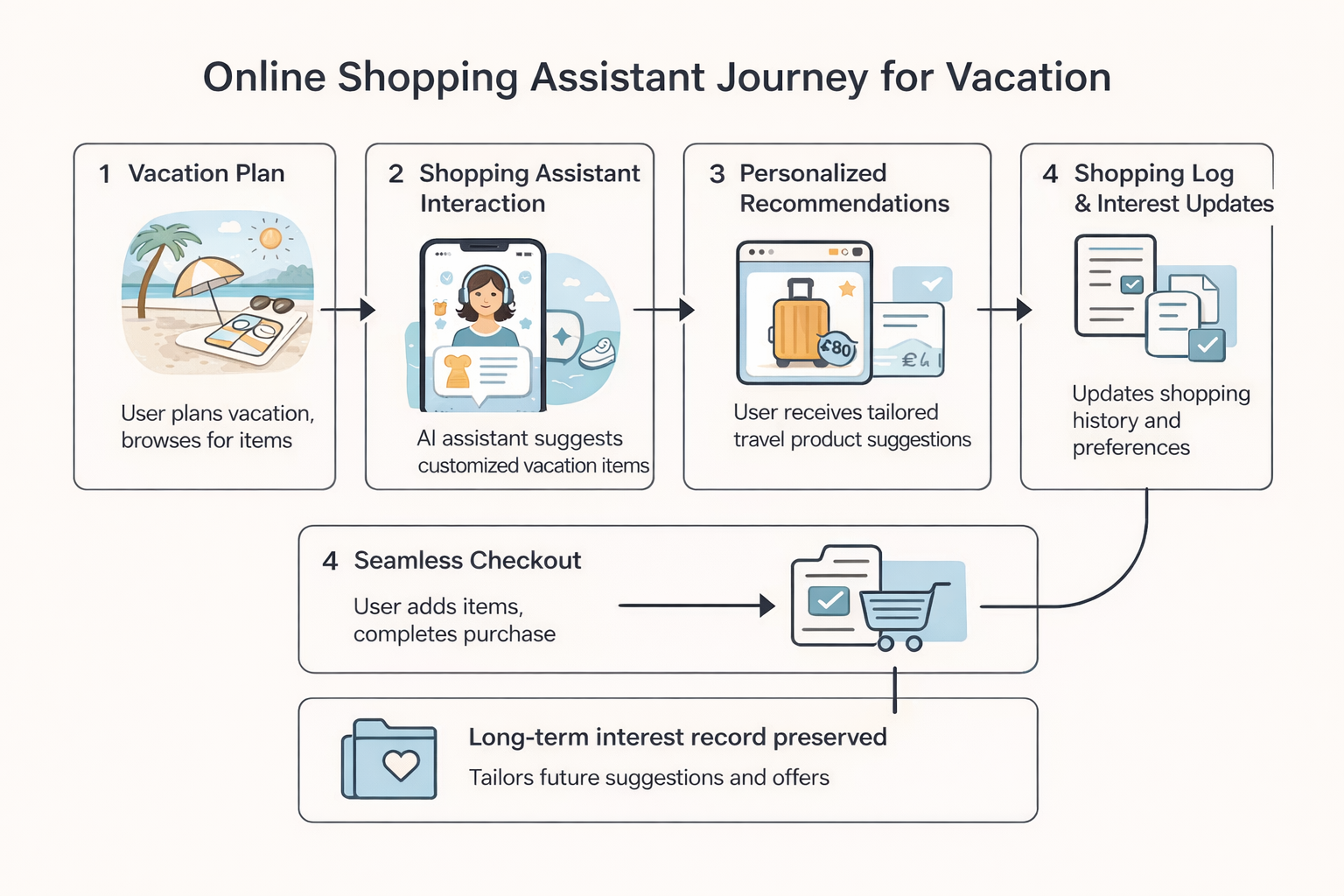
Use Case 2: Online Shopping Assistance
Another key use case focuses on online interactions such as searching for products or making purchases. In this scenario, the personal data pod supports the user by sharing preference-based information without exposing personal or identifiable data. An on-device AI assistant uses locally stored preference data to evaluate available offers and provide tailored recommendations, while sensitive personal information remains private. This approach allows users to benefit from personalization during online browsing or purchasing, without transferring their data to external platforms or services.
Reflection
The project demonstrates how personal data pods can translate abstract ideas about data autonomy into concrete, usable systems. By combining physical representation with AI-supported explanations, the prototypes helped users better understand, manage, and trust how their data is used. The work highlights that meaningful data control is not achieved through regulation alone, but through careful design that reduces cognitive effort and supports everyday decision-making. As a reflection, the project shows how AI can be applied responsibly as an enabling layer, reinforcing user agency rather than replacing it, and offers a practical direction for designing privacy-conscious, user-centered data systems.
2020

